
Why Many Security Systems Are Overbuilt and Underused

Most organizations don’t need more security technology. They need to start using the technology they already have.
Walk into many facilities today and you’ll find a security system packed with features: advanced cameras, access control, analytics, integrations. On paper, it looks impressive. But day-to-day, how much of it is actually being used?
This is one of the most common and costly problems in physical security today. Organizations invest heavily in technology but only leverage a fraction of its capabilities. The result? Inefficiency, lack of ROI, and in some cases, a false sense of security.
The Problem Isn’t Technology
Most modern security platforms are powerful. That’s not the issue. The issue is what happens after installation.
Users aren’t trained beyond the basics
Systems aren’t configured to match real workflows
Alerts are ignored or mismanaged
Data is collected but never reviewed
Features that could improve operations sit untouched
Over time, the system becomes reactive at best. It records incidents but doesn’t prevent them. It captures data but doesn’t inform decisions.

How Overbuilding Happens
Overbuilt systems often stem from a lack of strategic planning altogether.
In many cases, security projects are driven by a need to check boxes. Meet a compliance requirement. Match what another facility has. Roll out a standard package across every location. The result is often a one-size-fits-all system that looks complete on paper but doesn’t reflect how the organization actually operates.
Add in pre-packaged solutions, disconnected decision-making, and a lack of long-term ownership, and complexity builds quickly. Systems get layered with features that aren’t aligned to real workflows or priorities.
Without a clear plan for how the system will be used, managed, and evolved over time, that complexity becomes a burden instead of a benefit.
More features don’t create more value. Alignment does.
The Cost of Underuse
Underutilized systems create hidden costs that rarely show up in a project budget:
Wasted capital on unused capabilities
Increased training burden with low adoption
Slower response times due to confusion or inefficiency
Missed opportunities to improve operations
Higher risk because key features aren’t being leveraged
Perhaps most importantly, leadership believes they are protected at a level they haven’t actually achieved.
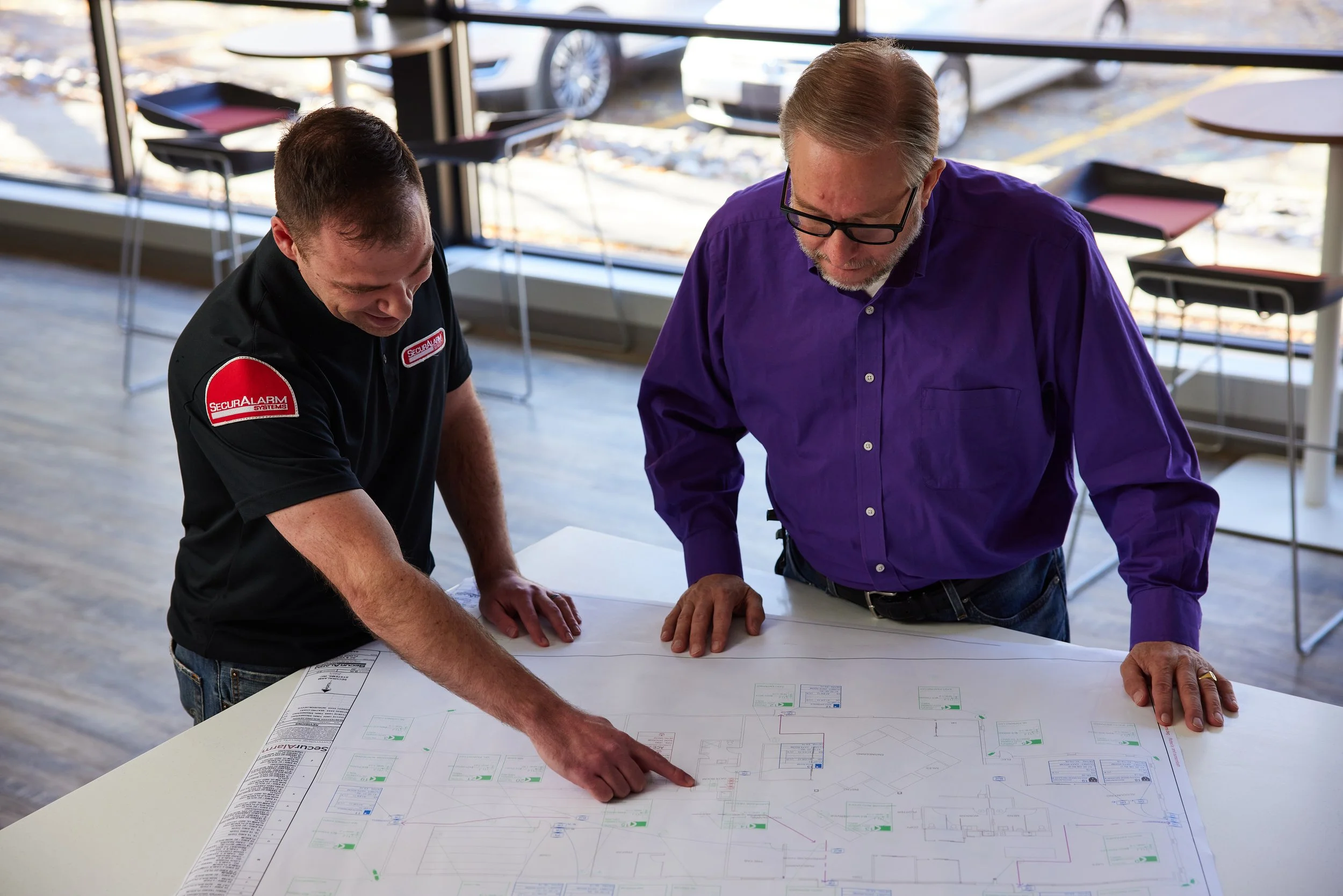
What a Well-Utilized System Looks Like
A right-sized, well-managed system looks very different.
Users know exactly how and when to use it
Alerts are meaningful and actionable
Data is reviewed regularly and tied to decisions
Integrations support operations, not complicate them
The system evolves with the organization
It comes down to having the right technology and using it the right way.
How to Fix the Gap
Closing the gap between what you have and what you use doesn’t require starting over. It requires intention. Start with these questions:
What features are we actually using today?
Which ones are we paying for but ignoring?
Where are users struggling or disengaged?
Are we using security data beyond incident review?
From there, focus on:
Simplifying where possible
Re-aligning the system to real workflows
Investing in ongoing training, not one-time onboarding
Establishing ownership and accountability
The Bottom Line
Security systems rarely fall short because they’re missing features. More often, the issue is that the features they already have aren’t being used. Organizations that recognize this shift their focus. They stop asking, “What else should we add?” and start asking, “How do we get more out of what we already have?”
And that’s where real value is created.
Are you getting the full value out of your security system? If you’re not sure, you’re not alone. We help organizations uncover what’s being underused, simplify what’s overbuilt, and align systems with real operational needs. Let’s start with a conversation.
Subscribe
Sign up for more industry tips, trends, and best practices from SecurAlarm.